Fake M30s
Counterfeit pills sold as M30 oxycodone can be pressed fentanyl.
Fentanyl-aware outpatient care in Westwood, with a careful Suboxone start and overdose training for you and your family. It's part of our addiction treatment center in Los Angeles.
 Joint Commission
 Medically reviewed by Dr. Eric Chaghouri, MD, our medical director. June 2026
Narcan trainingfor every patient and family
Fentanyl is a synthetic opioid roughly 50 times stronger than heroin, so the usual opioid plan doesn't always fit. We pair a careful buprenorphine (Suboxone) start with therapy for the addiction and any anxiety or depression that comes with it. Every patient also learns how to reverse an overdose.
Sources: NIDA fentanyl facts and the CDC.
Acute withdrawal usually starts within a day of the last use and lasts several days to about a week. Some symptoms can hang on longer. Medical support makes it safer and far easier to get through than quitting alone. If you need detox first, we set it up with a trusted provider and hold your spot.
Symptoms usually begin within a day of your last use.
Acute withdrawal lasts several days to about a week.
A few can hang on longer. Buprenorphine and therapy help with that stretch.
They watch how you respond and adjust the plan to keep you safe and as comfortable as possible.
Joint CommissionYes. Buprenorphine (Suboxone) is the gold-standard medicine for opioid addiction, fentanyl included. The start needs care. Fentanyl builds up in body fat, so a standard start can bring on precipitated withdrawal, a sudden rush of symptoms. Our medical team uses a fentanyl-aware start. More on medication management.
If you'd rather take a non-opioid medication once withdrawal is over, naltrexone (Vivitrol) is another option.
 Dr. Eric Chaghouri, MDMedical director, psychiatrist
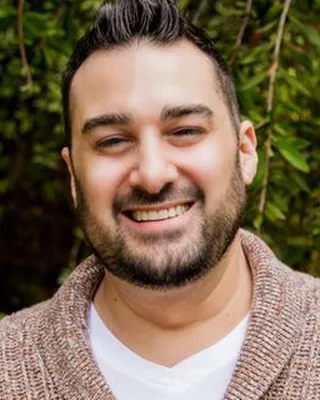 Ari Labowitz, LMFTClinical director
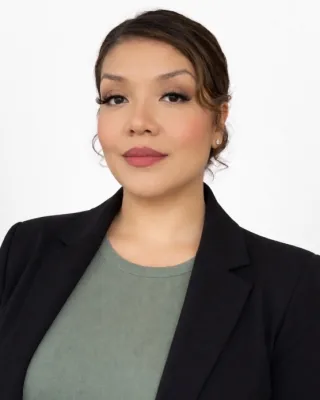 Juanita Casillas, RADTCounselor, habla español
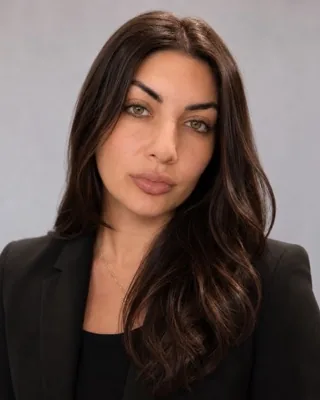 Viola Sulahian, AMFTPrimary therapist
Juanita and Scott helped me through some of the hardest parts and made sure I never felt like I was doing it alone.
Accredited by The Joint Commission since August 2026
Certified by the State of California, DHCS #191643AP
Meet the whole team
Joint CommissionFor many people, no. Our outpatient programs, PHP and IOP, give you medical care and therapy while you live at home and keep your family close. If your assessment shows you need a higher level of care first, we help arrange it.
Joint CommissionMany plans may cover outpatient fentanyl treatment, including the medication. We work with most major PPO plans, and we check your benefits for free, usually within the hour. You'll hear what we find before you start anything.
Federal parity law and California's SB 855 require health plans to cover medically necessary addiction treatment.
What we find out for you
Joint CommissionCall 911 right away if someone is unresponsive or struggling to breathe, and give naloxone (Narcan) if you have it. With fentanyl, it may take more than one dose. Every patient and family here learns how to spot and reverse an overdose.
For confidential help 24/7, call the SAMHSA National Helpline at 1-800-662-4357 or reach us at (424) 208-3120.
Do this first if they won't wake up or are struggling to breathe.
Naloxone (Narcan) can reverse a fentanyl overdose.
A fentanyl overdose may need more than one dose of naloxone.
Medication-assisted treatment cuts overdose deaths by roughly half.
Verify your insurance in about a minute, or call our Los Angeles admissions team and we'll walk you through every step. Free and confidential.