Benzodiazepines
Xanax, Klonopin, Ativan and Valium. These need a slow, supervised taper. Benzo treatment
Outpatient help when a medication your doctor prescribed, like Xanax or Adderall, has taken over. It's part of our addiction treatment center in Los Angeles, and you sleep at home.
 Joint Commission
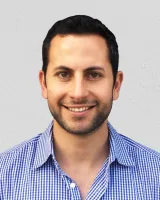 Medically reviewed by Dr. Eric Chaghouri, MD, our medical director. March 2026
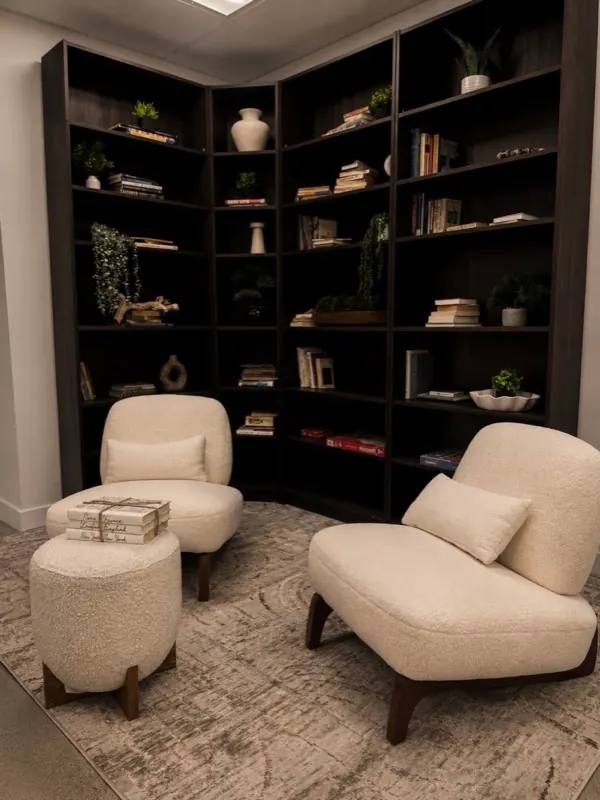
Outpatient caremost clients keep working
It's outpatient therapy and medical care for dependence on a pill that often started with a doctor's prescription. We plan a safe way off the drug and treat the problem underneath, like anxiety, ADHD, insomnia or pain. This kind of dependence responds to the same proven treatment as any other addiction.
Xanax, Klonopin, Ativan and Valium. These need a slow, supervised taper. Benzo treatment
Adderall and Vyvanse, often taken at higher doses than prescribed. We check for ADHD underneath.
Ambien and Lunesta can build strong physical and mental dependance. Care includes a careful taper and better sleep habits.
Opioid pain pills have their own page. See opioid addiction treatment.
The pills came from a doctor, so the problem can be hard to see. Two of the clearest signs are taking more than your doctor prescribed and not being able to stop when you try. The shame can run deep, but this is a medical condition and it's treatable.
It depends on the pill. Benzodiazepines like Xanax or Klonopin should never be stopped suddenly, because withdrawal can cause seizures. They need a slow, medically supervised taper. Stimulants and sleep medications usually don't need formal detox. Your free assessment tells us what's safe for you.
Sources: NIDA on prescription drug misuse and on sedatives like benzos.
Joint CommissionOur psychiatric team does, led by Dr. Eric Chaghouri, our medical director and a board-certified psychiatrist. They treat the condition underneath with non-habit-forming options while managing a careful taper. Cognitive behavioral therapy (CBT) gives you new ways to cope. The goal is for you to feel better day to day.
If you still need a medication for a medical reason, that care continues, and we coordinate with your prescriber when it makes sense.
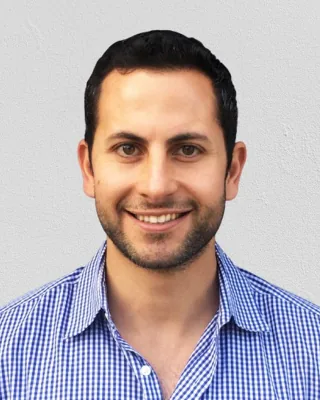 Dr. Eric Chaghouri, MDMedical director, psychiatrist
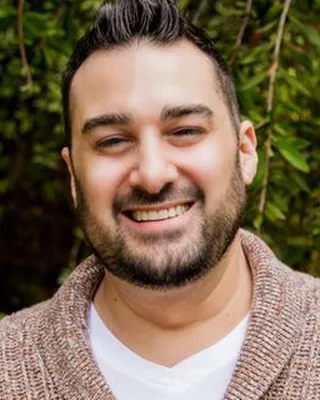 Ari Labowitz, LMFTClinical director
 Viola Sulahian, AMFTPrimary therapist
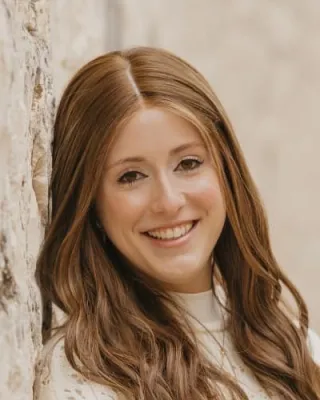 Nechama Berkowitz, APCCTrauma-informed therapist
By the time I finished, I felt like I was leaving with a full toolbox, a clearer mind, and more confidence in my sobriety.
Accredited by The Joint Commission since August 2026
Certified by the State of California, DHCS #191643AP
Meet the whole team
Joint CommissionIt depends on your plan. We work with most major PPO plans, and many plans may cover outpatient care for prescription drug addiction. We check your benefits for free and in confidence, usually within the hour.
California's SB 855 and federal parity law require plans to cover medically necessary addiction care. Many deductibles reset January 1, so it helps to know where yours stands.
What we find out for you
Joint CommissionNot without your written permission. HIPAA and 42 CFR Part 2, a federal law just for addiction care, protect your records. We work with your prescribing doctor only if you ask us to, and we never contact your employer.
If you do ask, we share updates with your prescriber and plan the taper together.
Yes. Most of our clients keep working or going to school during treatment. IOP meets in 3-hour sessions 3 to 5 days a week, on a morning or evening track, and many sessions can happen by telehealth.
Get your session done, then head to work or class.
Come in after work, so your job stays on schedule.
Many sessions can happen by video from anywhere in California.
Or come in person to 1964 Westwood Blvd, a few minutes off the 405. Get directions
Verify your insurance in about a minute, or call our Los Angeles admissions team and we'll walk you through every step. Free and confidential.