Trauma-sensitive yoga
Gentle and choice-based. No hands-on adjustments, and every pose is optional.
Yoga and breathwork, plus other ways to calm your body, built into your program day at our addiction treatment center in Los Angeles. They help clinical care stick and never replace it.
 Joint Commission
 Medically reviewed by Dr. Eric Chaghouri, MD, our medical director. July 2026
No experienceneeded for any of it
They're practices that care for your body while therapy works on your mind. Think trauma-sensitive yoga, breathwork, mindfulness, journaling, movement and art. Stress and addiction show up in the body as tight shoulders and shallow breathing. These sessions give you simple tools to settle down, so what you learn in therapy has somewhere calm to land.
Most of them happen in a group with a facilitator, as part of your PHP or IOP schedule. You don't sign up for them on their own. One part of your day might be a skills group, and another might be breathwork.
Gentle and choice-based. No hands-on adjustments, and every pose is optional.
Slow breathing that helps calm your nervous system when cravings or anxiety spike.
Guided writing that helps you sort through what came up in therapy.
Art for the days when words aren't enough, and simple movement excercise for energy and body awareness.
No. These practices support clinical treatment and help it stick. Nobody here will suggest yoga instead of therapy or medication. The core of your care is still therapy, one on one and in groups.
There's research behind the pairing. A randomized trial in JAMA Psychiatry studied mindfulness-based relapse prevention as aftercare for substance use.
Joint CommissionYes. You don't need any experience or fitness level. Many people try these tools for the first time in treatment. Everything is choice-based, so you can adapt a practice or sit it out.
Most sessions happen in a group, led by a facilitator. You might do slow stretches or some quiet writing. Nobody expects you to be good at it on day one. The point is to notice how your body feels and give it a chance to slow down.
From the moment I got there, the place felt safe, calm, and welcoming.
No. They're part of the PHP and IOP program day, not an add-on with its own price. When your plan pays for your level of care, the day it pays for includes these sessions. We work with most major PPO plans and check benefits for free.
California's SB 855 and federal parity law say health plans must cover medically necessary addiction and mental health treatment.
What we find out for you
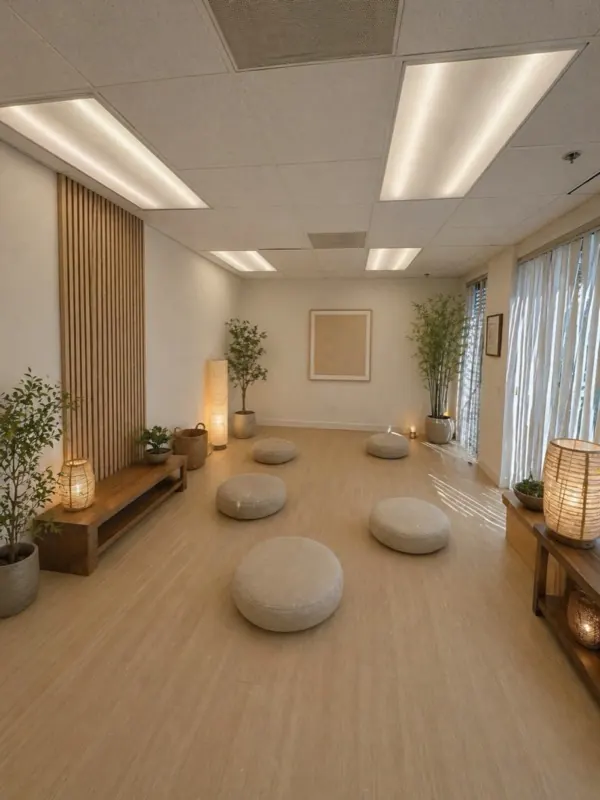
Joint CommissionThat's the idea. A five-minute breathing practice works as well in your car as it does in our meditation room. The tools come back in our alumni program as part of relapse prevention, with a year of weekly groups and monthly check-ins.
Joint CommissionVerify your insurance in about a minute, or call our Los Angeles admissions team and we'll walk you through every step. Free and confidential.