EMDR
Eye movement desensitization and reprocessing. It helps a memory lose its charge untill it feels like the past.
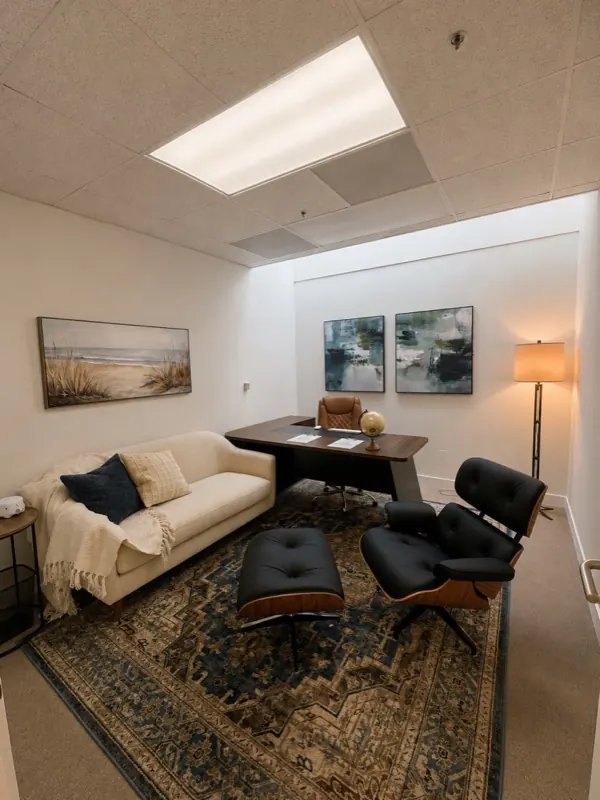
Trauma care where you set the pace, with a trauma-informed therapist and a psychiatrist on the same team. It's part of our mental health clinic in Westwood.
 Joint Commission
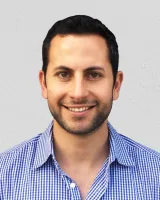 Medically reviewed by Dr. Eric Chaghouri, MD, our medical director. March 2026
Trauma work startswhen you're ready
PTSD, or post-traumatic stress disorder, can start when something terrifying overwhelms your mind's way of coping. The memory doesn't settle into the past. It keeps coming back as if it's happening now, and your body stays on guard. It isn't a sign of weakness, and it can be treated.
PTSD looks different for everyone. If you went through something frightening and some of these still show up in your life, it's worth talking to someone about it. Trouble sleeping or focusing can be part of it too.
No. You set the pace. Treatment starts with feeling safe and learning to cope. Working through the trauma comes later, when you're ready, and some methods like EMDR don't ask you to describe the event in detail.
Trauma-focused therapies have the strongest research behind them. No single method is best for everyone, so we match the approach to you. Trauma-focused groups can also help you feel safe around other people again, which can ease the shame and isolation trauma leaves behind.
Eye movement desensitization and reprocessing. It helps a memory lose its charge untill it feels like the past.
You work on the beliefs trauma left behind, like self-blame or feeling unsafe everywhere.
With support, you face the memories and places you've been avoiding, one small step at a time.
Breathwork and trauma-sensitive yoga for a body that's been stuck on high alert.
Joint CommissionFor some people, yes. Certain antidepressants can ease symptoms like flashbacks or nightmares enough for therapy to move forward. Dr. Eric Chaghouri talks it through with you first. If you try one, he manages it carefully alongside your therapy sessions.
Nechama Berkowitz, APCC, is our trauma-informed therapist. Dr. Eric Chaghouri, our medical director and a board-certified psychiatrist, handles medication if you need it. Ari Labowitz, LMFT, is our clinical director. Your therapist and psychiatrist work from one shared plan.
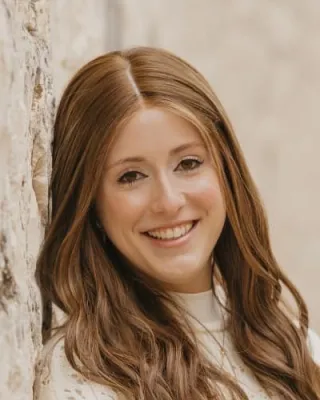 Nechama Berkowitz, APCCTrauma-informed therapist
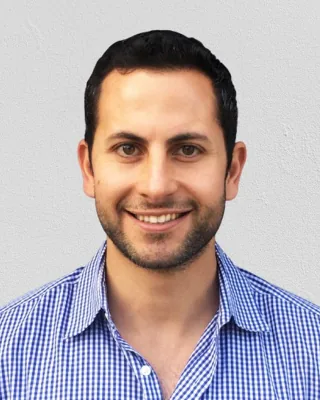 Dr. Eric Chaghouri, MDMedical director, psychiatrist
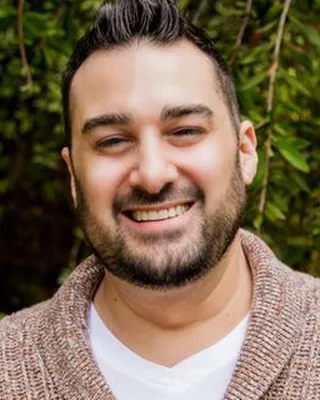 Ari Labowitz, LMFTClinical director
Having people around you who believe in you, hold you accountable, and remind you that your past doesn’t have to determine your future makes a huge difference.
Accredited by The Joint Commission since August 2026
Certified by the State of California, DHCS #191643AP
Meet the whole teamIt may. California's SB 855 and federal parity law require health plans to cover medically necessary mental health care, and that includes trauma care. We work with most major PPO plans and check your benefits free, before you commit to anything.
We usually have an answer within the hour. Start online, or call (424) 208-3120 any time.
What we find out for you
Joint CommissionYes. IOP, our intensive outpatient program, runs 3-hour sessions on a morning or an evening track at our clinic on Westwood Blvd, a few minutes off the 405. Telehealth works from anywhere in California. Your care stays private under HIPAA, and we never contact your employer.
Joint CommissionVerify your insurance in about a minute, or call our Los Angeles admissions team and we'll walk you through every step. Free and confidential.